
ECO THINKING
LEXUS COMMITMENT TO A HEALTHIER PLANET
Lexus continuously seeks innovative and effective ways to contribute to a more sustainable world by optimizing resource efficiency, enhancing recycling efforts, and leading the industry toward responsible business practices that help protect our planet.
RESOURCE EFFECIENCY AND RECYCLING THROUGHOUT THE VEHICLE LIFE CYCLE
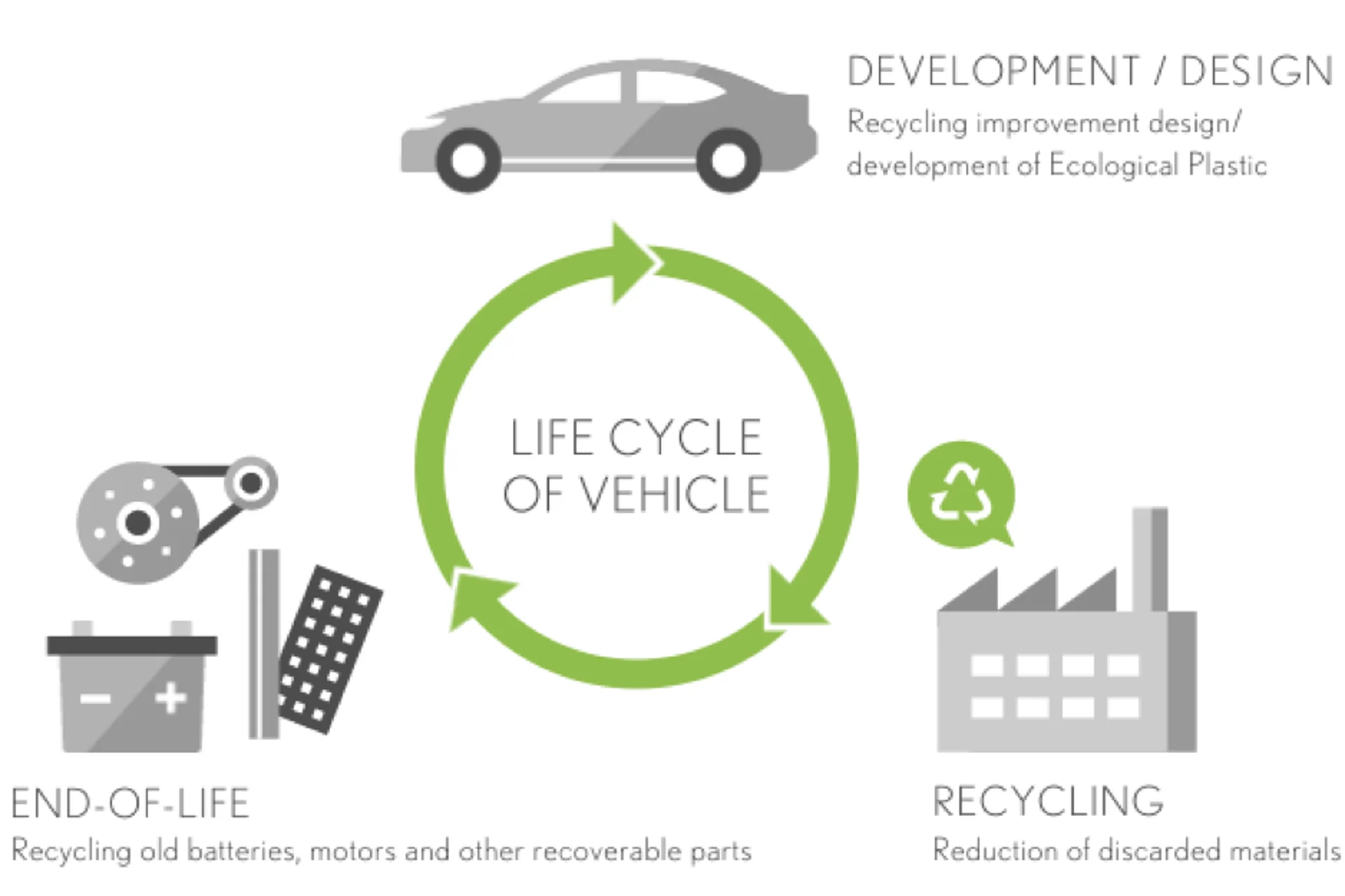
At Lexus, recycling is considered at every stage of a vehicle’s life—from manufacturing to end-of-life processing. Key initiatives include:
- Reusing materials whenever possible
- Minimizing waste generation
These principles are integrated into vehicle development and manufacturing processes to create vehicles that are optimized for recyclability and sustainable resource use.
RESOURCE FLOW
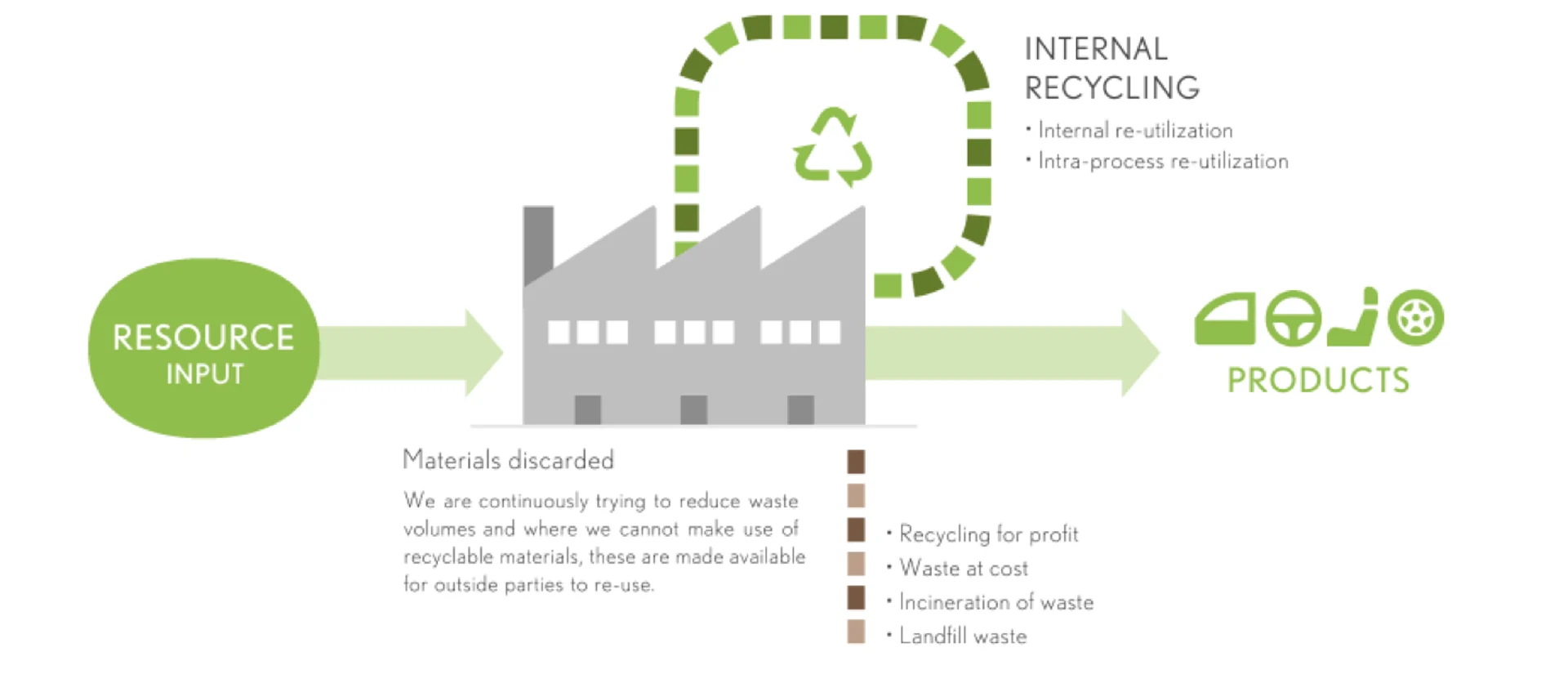
Our resource flow approach demonstrates how materials are reused while reducing waste from non-recyclable resources during product manufacturing and assembly.
Environmental Center
Located adjacent to the Motomachi Plant, the Lexus Environmental Center is a renewable energy facility that was renewed and reopened in April 2009.
The center:
- Incinerates combustible waste to generate electricity and steam
- Supplies energy to the Motomachi Plant
Advanced fuel control systems have significantly reduced harmful emissions, while ash generated from incineration is reused externally as raw material for cement and pavement production.
Reducing Water Consumption.
To prevent water waste, Lexus continuously improves water efficiency across all production facilities, with particular focus on vehicle assembly plants, which typically require high water usage
Logistics
Lexus works to reduce discarded and unused materials from its factories. Waste generation has been significantly reduced, and materials are reused whenever scientifically feasible.
Expanding the use of returnable shipping containers is one example of how Lexus goes beyond traditional recycling practices.
More Than Just Recycling
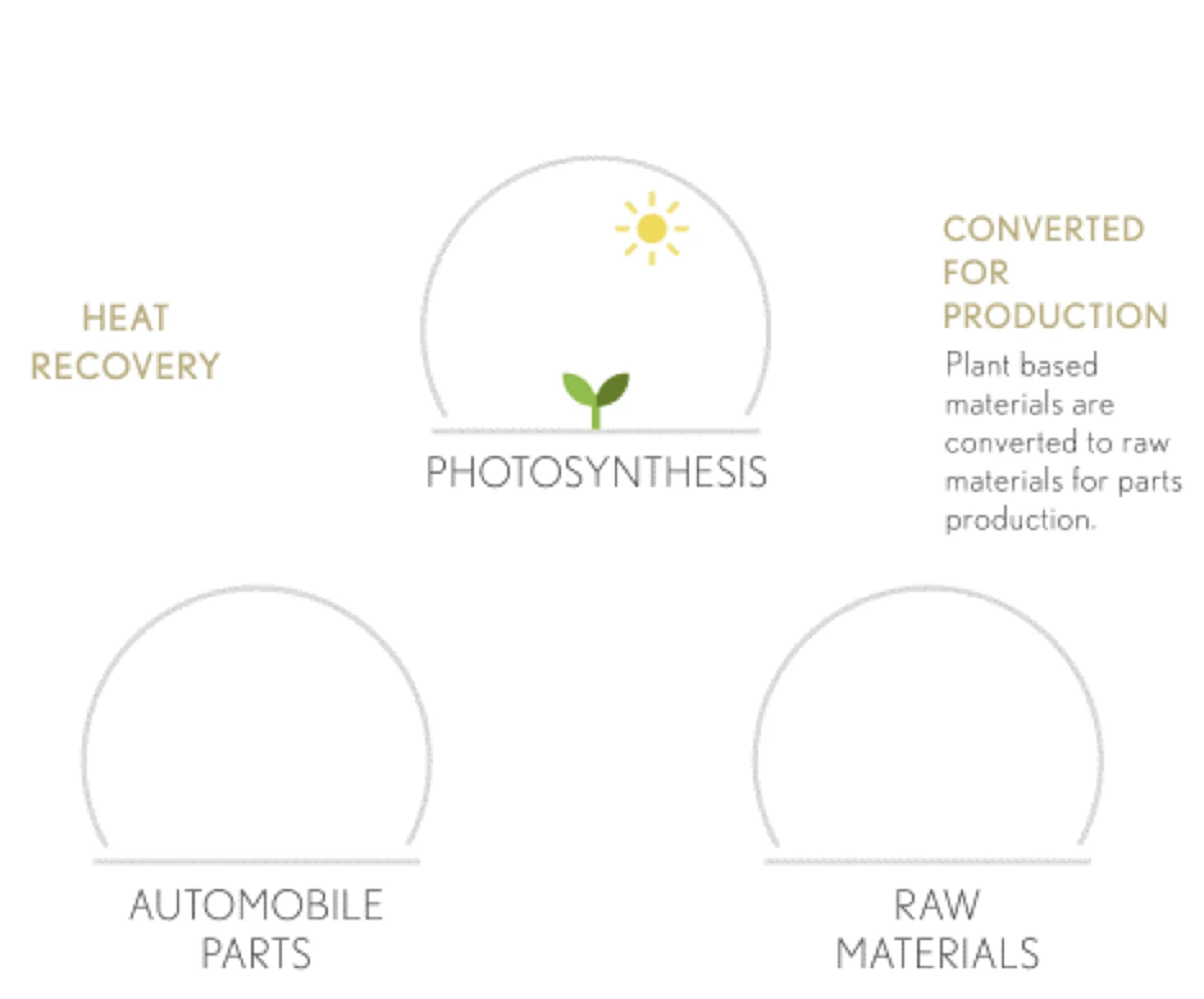
Lexus has significantly reduced CO₂ emissions by increasing the use of plant-based plastics in its products, replacing petroleum-based plastics without compromising quality or performance.
HOW LEXUS USES ECOLOGICAL PLASTIC
Lexus utilizes eco plastics made with Bio-PET, derived from sugarcane, as part of its CO₂ recycling concept.
Types of Eco Plastics:
- Bio-PET:
Manufactured by replacing monoethylene glycol—one of the raw materials of polyethylene terephthalate—with plant-derived materials sourced from sugarcane. - Advanced Eco Plastics:
These materials offer superior heat resistance, durability, flexibility, and resistance to shrinkage, while maintaining the performance characteristics of conventional plastics.